
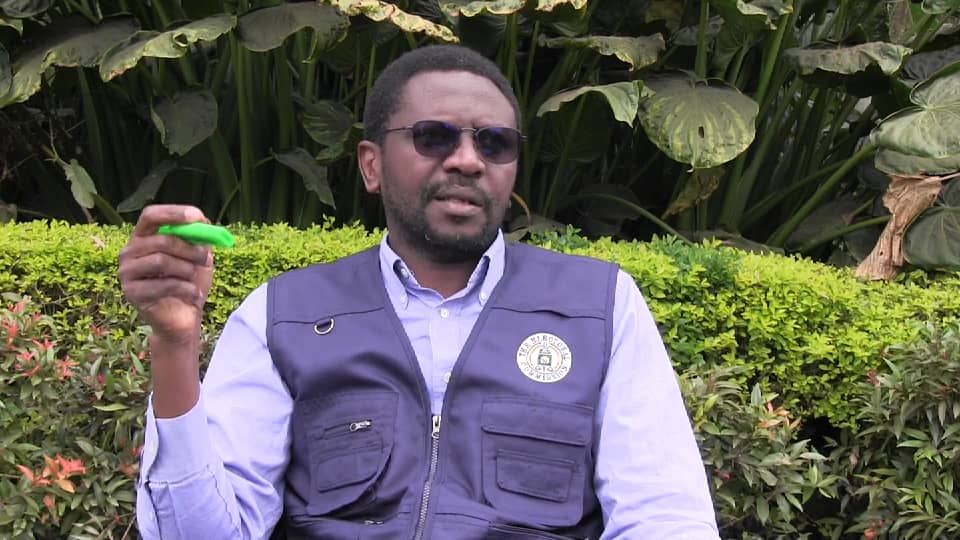
The Electoral Commission's Regional Election Officer for South Western Uganda, Robert Beine, has said the government's decision to hold LC1 and LC2 elections immediately after the general elections will save billions of shillings and help reduce political tensions associated with delayed polls.
Beine made the remarks after the Electoral Commission confirmed its readiness to conduct local council elections across the country, having secured the necessary funding for the exercise.
The elections will cover village women committee positions and LC1 leadership in all 71,214 villages nationwide.
Speaking to journalists in Kabale Municipality, Beine said synchronising the LC1 and LC2 election cycle with the general elections is a cost-effective strategy that will benefit the country in the long run.
“For the first time in a very long time, we are holding the LC1 and LC2 elections immediately after the general elections,” Beine said.
“This time, government has been able to align the cycle within the same election year. The advantage is that it is cost-effective in the long run.”
He noted that conducting the elections within the proper electoral cycle would help avoid unnecessary expenditure associated with organising separate electoral processes years apart.
Asked about the violence and chaos that marred previous local council elections, Beine attributed the challenges largely to prolonged delays between election cycles.
“When you do not hold elections on cycle and you take long, you automatically witness what we witnessed last time. I think lessons were learnt then. Probably this time will be better,” he said.
Beine also expressed concern over the low participation of women in elective positions at the local level, saying more efforts are needed to encourage female leadership.
He further warned against the growing commercialisation of politics, arguing that the practice undermines democratic processes and limits opportunities for capable leaders who may lack financial resources.
The Electoral Commission is expected to roll out the local council elections nationwide following the completion of preparations and allocation of funds for the exercise.
